By Mrs. Eileen Hunter — about the author. Posted August 11, 2026.
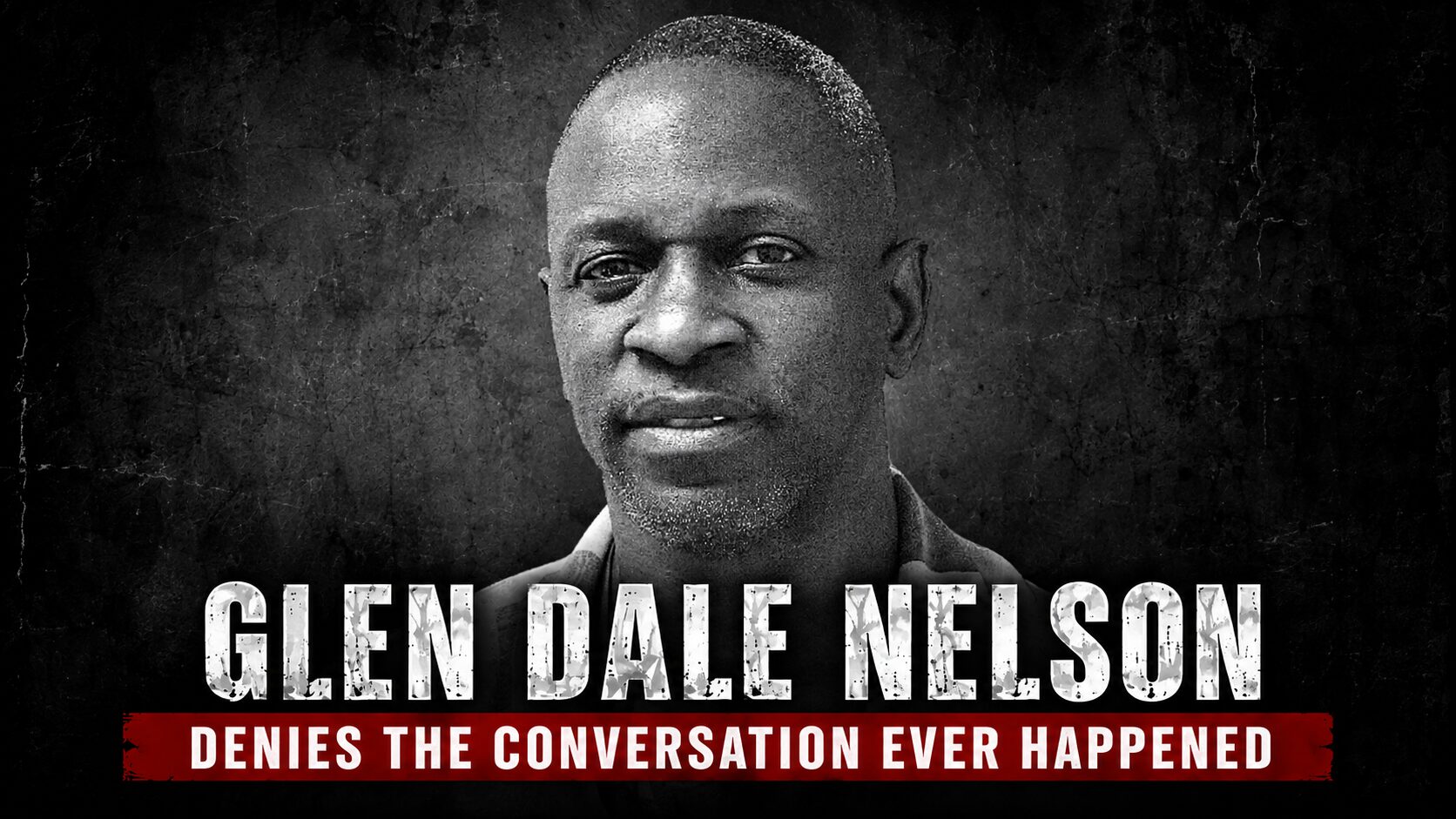
Every alleged jailhouse confession in the Tony Hunter case runs through one man: Glen Dale Nelson. Two informants claimed they overheard Mr. Hunter confessing to Nelson through a pod window. Nelson was never called to testify — by either side. This page explains who he was, why the State itself would not put him on the stand, and what he has sworn since.
Why the State didn’t call him
Trial prosecutor Michael Ruddick later swore an affidavit stating he did not call Nelson because “he was totally unreliable, and it appeared he would say anything that he thought would help him with his various legal problems.” (Ruddick affidavit, December 19, 2012.)
The courts knew him too. In State v. Hill, 601 So. 2d 684 (La. App. 2 Cir. 1992), Nelson testified for the prosecution that a different defendant had confessed to him at the same jail. In State v. Stokes, the State moved to bar Nelson from testifying — this time for a defendant — and the Louisiana Supreme Court affirmed his exclusion, holding “the district court judge totally discredited the testimony of Nelson.” State v. Stokes, 2003-KK-0556 (La. 2/28/2003). What Nelson intended to say in Stokes: that Tony Hunter had confessed to that murder too.
His history with Tony Hunter
They were not friends. A Monroe Police report documents Nelson firing two shots at Mr. Hunter on December 30, 2000 — ten weeks before the Greenwood murders. Detective Harris testified at the bond hearing that the two “were on the outs” and had “an exchange of gunfire.” They were later placed on each other’s enemies lists in prison. Before any informant came forward, Nelson had already tried to implicate Mr. Hunter in two other homicides — and on July 26, 2001 he swore an affidavit recanting one of them, saying he gave false information assembled “through friends and neighborhood gossip” and the news media, “so [he] could go home.” (MPD OCA report; bond-hearing testimony; Nelson affidavit, July 26, 2001, Exhibit J-4.)
What he has sworn about the “confession”
“…a jailhouse conning scheme organized by my friends Vaccara Comanche and Clarence Kennedy to get a conviction for the state against our enemy Tony Hunter in the triple homicide… me and Tony Hunter have never had a discussion about the triple homicide.”
(Affidavit of Glen Dale Nelson, January 2012.)
In a recorded interview with counsel on February 27, 2026 (certified transcript, filed as Exhibit 2 to the current writ application), Nelson again rejected the alleged confession — and, per the application, said the State approached him about testifying, that he understood favorable treatment was possible if he agreed, and that he refused. (Writ application, July 9, 2026, at 38.)
The structural point
Comanche and Kennedy did not describe two different events — they described the same alleged conversation, with Nelson as the other participant. His denial does not answer one witness; it reaches both. The full analysis is on the informants page.
The other half
No court has credited Nelson’s affidavits or his 2026 interview; the applications presenting them were denied without evidentiary hearings, and the current writ application is pending in the Second Circuit. Nelson’s own reliability cuts in every direction — the same record that shows the State calling him “totally unreliable” also cautions against crediting any single statement he makes. We present his sworn statements with their history, and let you weigh them. (Procedural history.)
Related: the three informants compared · Clarence Kennedy · Vaccara Comanche · Christopher Wiggins · case timeline.